Tracking business fuel costs is vital for managing expenses, improving operational efficiency, and maximising profitability. Without a clear understanding of how much is being spent on fuel, companies may face unnecessary losses and overlook opportunities for savings.
In this post, we’ll explore the key reasons to track fuel expenses, the drawbacks of manual methods, and how fuel cards provide a streamlined solution. We’ll also discuss how technology can further enhance tracking and share top tips for managing fuel costs effectively.
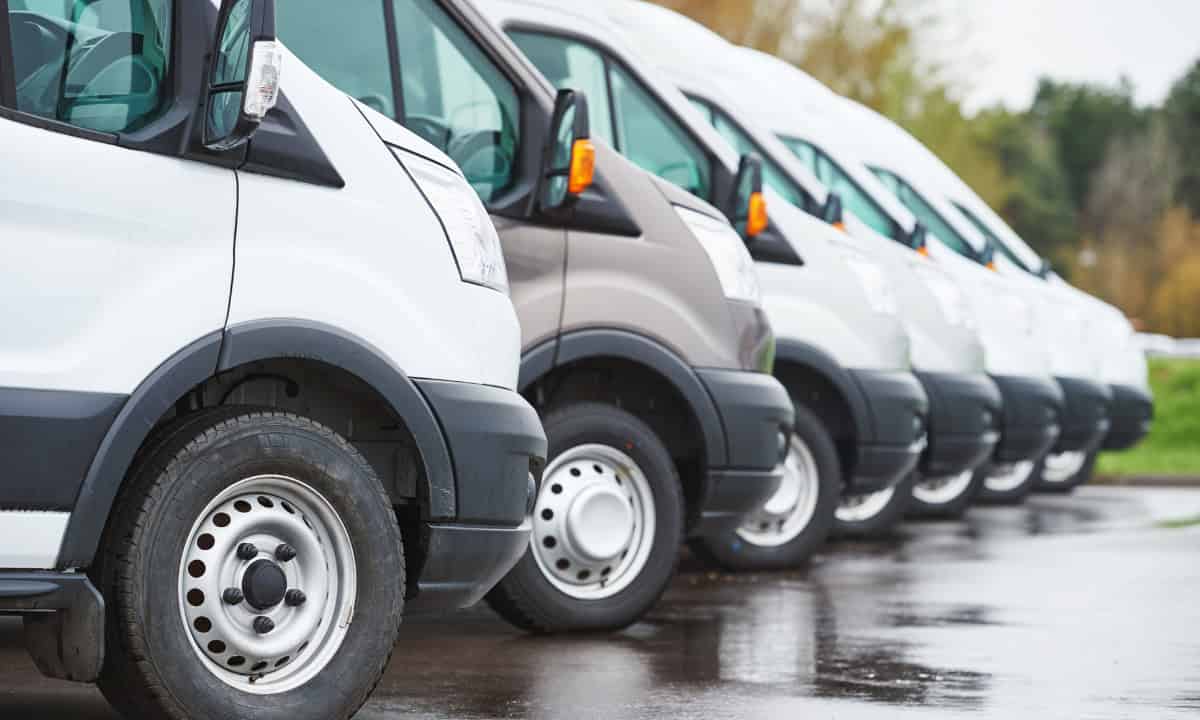
Why It’s Important To Track Your Fuel Expenditure
Tracking fuel expenditure is vital for businesses as it helps control costs, maintain profitability, and improve overall efficiency. Fuel is often one of the largest operating expenses, especially for businesses that come from a transport background, for example hauliers and couriers.
Without proper tracking, businesses risk overspending, missing opportunities to optimise routes, or falling victim to fuel fraud. Accurate tracking enables businesses can set fuel budgets, monitor fuel consumption, plus identify inefficiencies. By having a clear picture of fuel usage, companies can make informed decisions, reduce waste, and ultimately improve both operational performance and financial outcomes.
Cons Of Manual Fuel Expenditure Tracking
Manually tracking fuel expenses is slow and can lead to errors. Relying on drivers to collect receipts often leads to lost or incomplete records, making it difficult to accurately account for all expenses. This can result in your VAT reclaim being lower than it should be.
Paperwork can pile up quickly, and manually entering data into spreadsheets or accounting systems is time-consuming and increases the risk of mistakes. Additionally, manual tracking doesn’t provide real-time insights, making it harder to identify potential issues like fuel fraud. Overall, this method lacks the efficiency and accuracy needed for effective expense management, leading to wasted time and potential financial loss.

How Fuel Cards Simplify Tracking Expenses
Fuel cards simplify tracking fuel costs by eliminating the need for paper receipts and manual data entry. With every transaction automatically recorded and stored online in Radius Velocity, businesses have instant access to detailed reports on fuel usage and spending. This streamlined process reduces the risk of errors, ensuring that all expenses are accurately accounted for.
Additionally, fuel cards provide HMRC (UK) and Revenue (ROI) approved invoices, making it easier to comply with tax regulations, plus quicken your VAT reclaim process. The convenience of real-time tracking and consolidated invoicing helps businesses save time, improve financial transparency, and enhance overall expense management.
Here are five benefits of using fuel cards to simplify tracking costs:
- No need for receipts
- Online transaction records
- HMRC and Revenue approved invoices
- Reduced errors
- Improved financial transparency

5 Tips For Tracking Fuel Expenses
Here are our five top tips for effectively tracking fuel expenses:
- Digitise Records – Shift from paper-based tracking to digital systems for more accurate and accessible fuel expense management.
- Set Fuel Budgets – Establish fuel consumption limits for vehicles to keep spending in check and avoid overspending.
- Monitor Fuel Efficiency – Regularly review mileage and fuel usage data to identify inefficiencies and optimise routes or driving behaviors.
- Leverage Telematics – Use GPS Vehicle Tracking to monitor vehicle performance, monitor fuel usage in real time, and reduce fuel waste.
- Regularly Review Invoices – Consistently analyse fuel card invoices to ensure accuracy and identify opportunities for cost savings.
How To Get Fuel Cards
To simplify your fuel expense tracking you can sign up for Fuelwise Fuel Cards and get all of the benefits mentioned above, including automated reporting, online management system and VAT approved invoices.
Sign up today by completing the form below.

Marketing Manager at Fuelwise
Dominic has been covering the fuel and fleet management industry for over seven years, writing about Fuel Cards, Telematics, and Vehicle Cameras. In 2023 he was awarded the Excellence In Marketing award at the Causeway Chamber Business Awards, followed by the Best Use Of Social Media In Service/B2B at the 2024 NI Social Media Awards. You can connect with Dominic on LinkedIn here.