
One of the first decisions you’ll face is choosing between self-install vs hard-wired vehicle trackers when it considering GPS Tracking. Whether you’re managing a few vans or a large fleet of HGVs, vehicle tracking can save your business money and boost efficiency.
Both options offer GPS tracking, journey history, and driver behaviour insights—but the installation method and long-term reliability differ significantly.
In this post, we’ll break down the pros and cons of each type, helping you make the best choice for your business.

1. What Is a Self-Install Vehicle Tracker?
A self-install tracker, sometimes known as a plug-and-play tracker, is a small device that plugs directly into your vehicle’s OBD port or 12V socket. It’s designed to be quick and easy to install without professional help.
Typical use case: Smaller fleets, temporary tracking needs, or companies wanting fast deployment with minimal downtime.
2. What Is a Hard-Wired Vehicle Tracker?
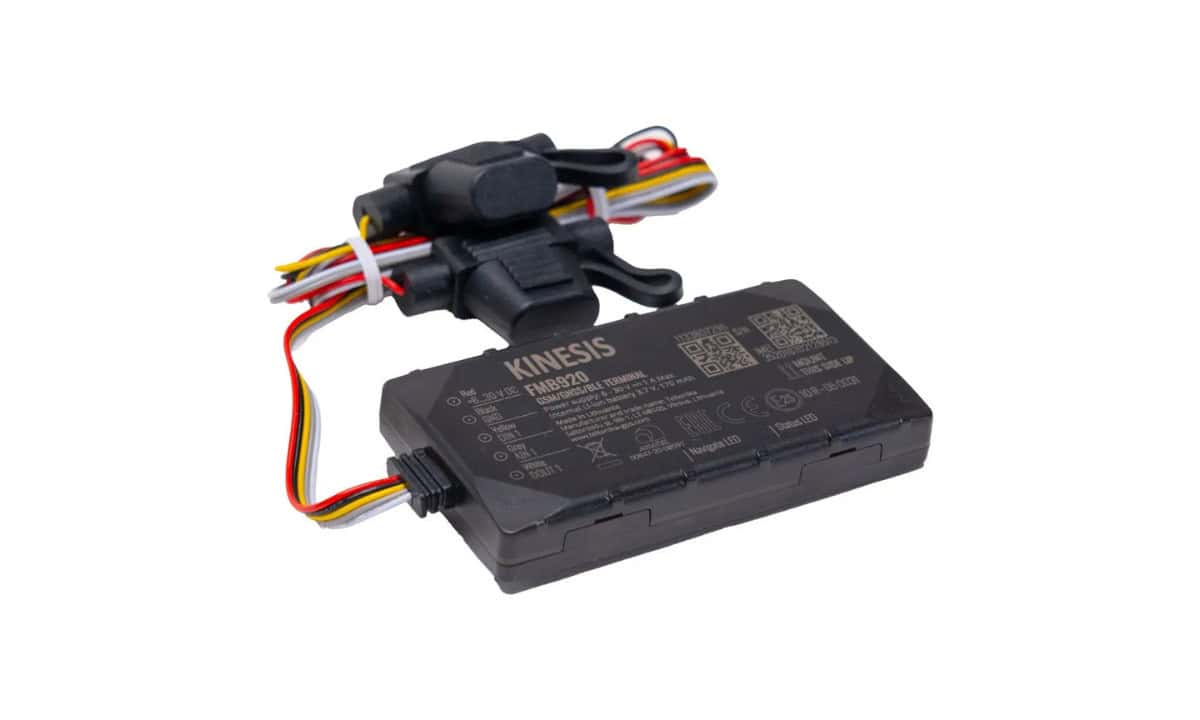
A hard-wired tracker is installed by connecting directly to the vehicle’s electrical system, typically hidden behind the dashboard or in another concealed location. This type of installation requires a qualified auto-electrician or technician.
Typical use case: Larger fleets, businesses needing tamper-proof tracking, or those requiring advanced telematics.
3. Pros and Cons of Self-Install Trackers
✅ Pros:
-
Quick Setup: Installed in minutes without any tools or technical know-how
-
Portable: Easily transferable between vehicles
-
Low Upfront Cost: No installation fees
❌ Cons:
-
Easy to Remove: May be unplugged by drivers, either accidentally or deliberately
-
Limited Functionality: Less integration with vehicle diagnostics
4. Pros and Cons of Hard-Wired Trackers
✅ Pros:
-
Tamper-Resistant: Hidden and secured inside the vehicle
-
Always On: Powered directly from the vehicle battery, ensuring consistent tracking
-
Advanced Data: Better integration with vehicle systems for accurate mileage, fuel use, and fault codes
❌ Cons:
-
Installation Required: Takes longer to set up and needs a professional installer
-
Less Flexibility: Not ideal if you regularly switch trackers between vehicles
5. What About Hybrid Options?
Some businesses don’t settle for either self-install or hard-wired vehicle trackers but opt for a mix of both. For example, using hard-wired trackers in company-owned vans and plug-and-play units for subcontractors or hired vehicles.
This flexible approach helps cover the whole fleet while keeping costs in check.
6. Which Tracker Should You Choose?
Here’s a quick guide based on your needs:
Requirement | Best Option |
Fast setup, low cost, temporary use | Self-Install |
Long-term use, tamper-proof, advanced data | Hard-Wired |
Mixed fleet, varied vehicle access | Combination of both |
Still unsure? Our team at Fuelwise can walk you through the options and recommend a tracker solution that suits your fleet, budget and goals.

7. Final Thoughts
There’s no one-size-fits-all answer when it comes to vehicle tracking. Whether you choose a self-install tracker for flexibility or a hard-wired system for reliability, what matters most is having a solution that delivers accurate data, helps reduce costs, and supports better decision-making.
At Fuelwise, we work with businesses across the UK and Ireland to provide fleet tracking that fits your operations—not the other way around.
🚀 Ready to explore tracking options for your fleet?
Request a free demo to see how our tracking solutions can work for your business by completing the form below.

Marketing Manager at Fuelwise
Dominic has been covering the fuel and fleet management industry for over seven years, writing about Fuel Cards, Telematics, and Vehicle Cameras. In 2023 he was awarded the Excellence In Marketing award at the Causeway Chamber Business Awards, followed by the Best Use Of Social Media In Service/B2B at the 2024 NI Social Media Awards. You can connect with Dominic on LinkedIn here.


