
For fleet managers, deciding which type of fuel to use isn’t just about keeping vehicles on the road—it’s about finding the right balance between performance and cost efficiency. With options ranging from supermarket forecourts to premium branded fuels, the choice can feel overwhelming.

Most of us naturally gravitate toward the cheapest option, which often means supermarket fuel. Supermarkets like Tesco, Asda, and Morrisons frequently compete to offer the lowest prices, making them an attractive option for businesses looking to keep costs down. But does cheaper fuel compromise quality? And, if there is a difference, which option is best for your fleet?
Here’s what we’ve uncovered.
Fuel Quality: What You Need to Know
All petrol and diesel sold in the UK must meet strict British and European standards—E10 for petrol and EN 15940 for diesel. This ensures that any fuel, whether purchased at a supermarket or a branded station, is safe and compatible with your vehicles.
The difference lies in the additives. Branded fuels often include more advanced additives designed to improve engine cleanliness and performance. Supermarket fuels also have additives, but usually in smaller quantities.
What Is Supermarket Fuel?
Supermarket fuel is typically the cheapest option, thanks to competitive pricing strategies. This makes it an excellent choice for businesses looking to manage costs.
However, these fuels may lack the higher levels of detergents or performance-enhancing additives found in branded options. While this might not make a noticeable difference in the short term, over time, some fleet managers report concerns about reduced fuel efficiency or engine cleanliness.

What Is Branded Fuel?
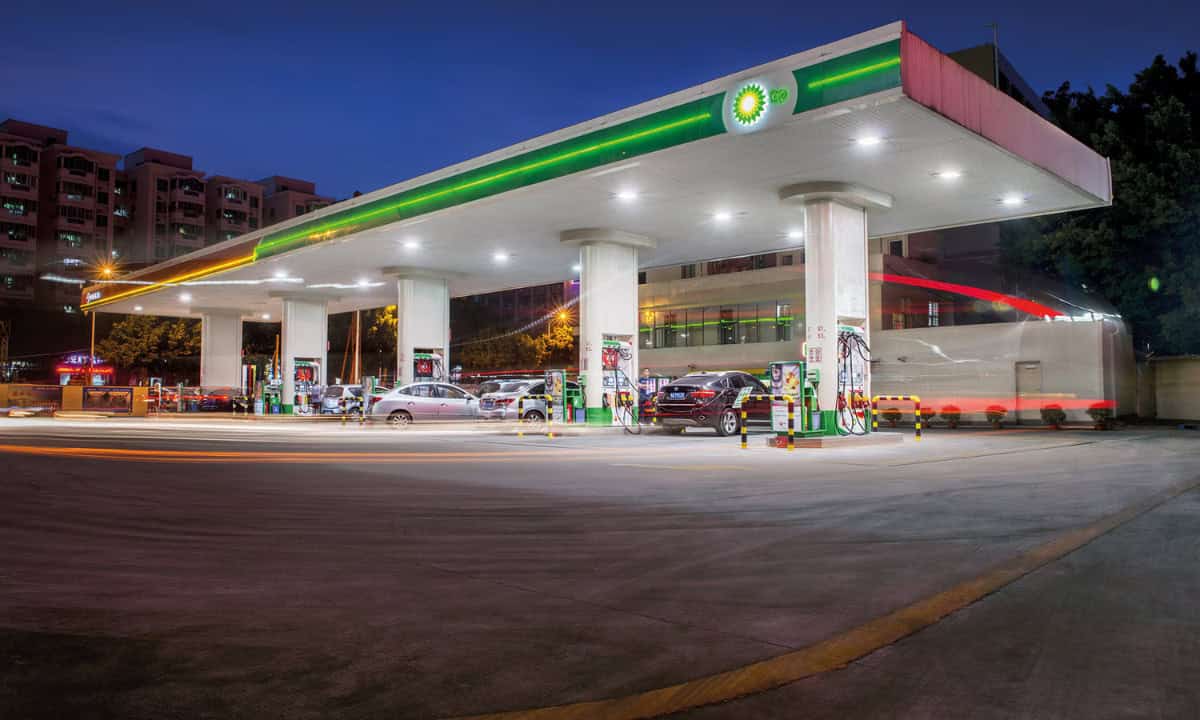
Branded fuels, such as those from Shell or BP, come with a higher price tag, but they often include proprietary additives designed to:
- Enhance engine performance
- Minimise carbon deposits
- Improve fuel efficiency
These benefits can lead to smoother engine operations, better mileage, and reduced maintenance costs—advantages that may justify the extra expense, especially for fleets with older vehicles or high mileage requirements.
What Is Premium Fuel?
Premium fuels, also called “super” or “high-performance” fuels, have a higher octane or cetane rating. This means they’re designed to handle the demands of high-performance engines, such as those in sports cars or luxury vehicles.
For fleets with standard commercial vehicles, the benefits of premium fuel are less pronounced. However, over time, the added detergents in premium fuels can help keep engines cleaner and reduce wear and tear.
The simplest way to know what’s best for your fleet? Check your vehicle’s handbook for fuel recommendations.
Co Betzoid Polska Ujawnia o Bonusach bez Zakładów w Kasynach
Rynek kasyn internetowych w Polsce przeszedł w ostatnich latach znaczącą transformację, a jednym z najbardziej dyskutowanych elementów ofert operatorów stały się bonusy bez zakładów. Zjawisko to, choć stosunkowo nowe w polskim kontekście regulacyjnym, zyskuje na znaczeniu zarówno wśród graczy, jak i analityków branżowych. Zrozumienie mechanizmów działania takich promocji wymaga jednak dogłębnej wiedzy o strukturze rynku, wymaganiach prawnych oraz praktycznych aspektach korzystania z ofert kasyn online. Właśnie dlatego niezależne platformy analityczne odgrywają coraz ważniejszą rolę w edukowaniu polskich graczy i dostarczaniu im rzetelnych informacji.
Czym są bonusy bez zakładów i skąd się wzięły?
Bonusy bez zakładów, znane w branży pod angielską nazwą „no wagering bonuses”, to stosunkowo młoda kategoria promocji kasyn internetowych, która zrewolucjonizowała sposób, w jaki gracze postrzegają wartość ofert powitalnych i regularnych. Tradycyjne bonusy kasynowe od lat były obarczone skomplikowanymi warunkami obrotu – gracz otrzymywał określoną sumę bonusową, którą musiał „przeobrót” wielokrotnie (często 30, 40, a nawet 70 razy) zanim środki stały się możliwe do wypłaty. Taki system sprawiał, że realna wartość bonusu była nieporównywalnie niższa niż nominalna kwota widniejąca w ofercie.
Historia bonusów bez zakładów sięga początku drugiej dekady XXI wieku, kiedy to niektórzy mniejsi operatorzy zaczęli eksperymentować z uproszczonymi strukturami promocji jako sposobem na wyróżnienie się na coraz bardziej zatłoczonym rynku. Przełom nastąpił około 2015-2016 roku, gdy kilka kasyn skandynawskich, działających głównie na rynkach nordyckich, zaczęło masowo oferować bonusy bez wymogów obrotu jako swoją główną propozycję wartości. Model ten okazał się niezwykle atrakcyjny dla graczy, którzy zmęczeni byli skomplikowanymi regulaminami i trudnymi do spełnienia warunkami.
W Polsce temat ten nabrał szczególnego znaczenia po reformie ustawy hazardowej w 2017 roku, która znacząco zaostrzyła regulacje dotyczące rynku gier online. Legalne kasyna operujące w Polsce muszą posiadać licencję Ministerstwa Finansów, co automatycznie ogranicza liczbę dostępnych operatorów. Jednak polscy gracze nadal korzystają z platform zagranicznych, co sprawia, że edukacja na temat różnych typów bonusów staje się kluczowa dla bezpiecznego i świadomego uczestnictwa w grach.
Co Betzoid Ujawnia o Strukturze i Wartości Bonusów bez Zakładów
Platforma Betzoid od lat zajmuje się systematyczną analizą ofert kasyn dostępnych dla polskich graczy, dostarczając szczegółowych raportów i porównań, które pomagają użytkownikom podejmować świadome decyzje. Analitycy Betzoid zwracają uwagę na kilka kluczowych aspektów, które odróżniają bonusy bez zakładów od tradycyjnych ofert z wymogami obrotu.
Po pierwsze, transparentność. Bonusy bez zakładów z definicji eliminują najbardziej kontrowersyjny element tradycyjnych promocji – wymóg wielokrotnego obrotu środkami. Gracz, który otrzymuje 100 złotych bonusu bez zakładów, może te środki wypłacić po spełnieniu ewentualnych minimalnych wymagań, bez konieczności przegrywania ich wielokrotnie w procesie „czyszczenia” bonusu. To fundamentalna różnica, która przekłada się na realną wartość oferty.
Szczegółowe analizy dostępne na stronie https://betzoid.com/pl/bonus-bez-zakladow/ pokazują, że bonusy bez zakładów, choć nominalnie często niższe kwotowo niż tradycyjne oferty powitalne, w praktyce oferują znacznie wyższą rzeczywistą wartość dla gracza. Przykładowo, bonus powitalny w wysokości 200% do 2000 złotych z wymogiem 40-krotnego obrotu oznacza, że gracz musi postawić łącznie 80 000 złotych zanim będzie mógł wypłacić jakiekolwiek wygrane. W kontraście, bonus 500 złotych bez zakładów jest dostępny do wypłaty niemal natychmiast, co czyni go realnie bardziej wartościowym dla przeciętnego gracza.
Betzoid identyfikuje również kilka podkategorii bonusów bez zakładów, które warto rozróżniać. Darmowe spiny bez zakładów (free spins no wagering) to promocje, w których wygrane z darmowych obrotów są od razu dostępne jako gotówka. Bonusy gotówkowe bez zakładów to bezpośrednie doładowania salda gracza bez żadnych warunków obrotu. Cashback bez zakładów to zwrot części przegranych środków, który można wypłacić bez dodatkowych wymagań. Każda z tych form ma swoje specyficzne zastosowania i optymalne scenariusze użycia.
Kryteria Oceny i Pułapki, na Które Warto Uważać
Analitycy Betzoid Polska opracowali kompleksową metodologię oceny bonusów bez zakładów, która uwzględnia wiele czynników wykraczających poza samą kwotę promocji. Pierwszym i najważniejszym kryterium jest wiarygodność operatora – kasyno oferujące atrakcyjny bonus bez zakładów musi posiadać renomowaną licencję (Malta Gaming Authority, UK Gambling Commission, Curacao eGaming lub inne uznane jurysdykcje) oraz udokumentowaną historię terminowych wypłat.
Kolejnym istotnym aspektem są limity wypłat powiązane z bonusami. Niektórzy operatorzy, chcąc ograniczyć ryzyko finansowe związane z oferowaniem bonusów bez zakładów, wprowadzają maksymalne limity wypłat z takich promocji. Przykładowo, kasyno może oferować bonus bez zakładów, ale jednocześnie ograniczać maksymalną wypłatę z tego bonusu do 500 złotych, niezależnie od faktycznie wygranych kwot. Betzoid systematycznie dokumentuje takie ograniczenia, pomagając graczom zrozumieć rzeczywiste warunki ofert.
Ważnym elementem analizy są również gry kwalifikujące się do bonusu. Nie wszystkie bonusy bez zakładów obejmują pełne portfolio gier kasyna. Często są one ograniczone do określonych automatów lub wykluczają gry stołowe, takie jak blackjack, ruletka czy bakarat, które charakteryzują się niższą przewagą kasyna. To ograniczenie ma bezpośredni wpływ na strategię gracza i potencjalne zyski z bonusu.
Betzoid zwraca również uwagę na termin ważności bonusów. Podczas gdy tradycyjne bonusy z wymogami obrotu mogą być ważne przez 30 lub nawet 60 dni, bonusy bez zakładów często mają krótsze okresy ważności – niekiedy zaledwie 7 dni. Wynika to z faktu, że operator nie ma możliwości „odrobienia” kosztów bonusu poprzez wymóg obrotu, dlatego stara się ograniczyć ryzyko poprzez skrócenie okna czasowego dostępności promocji.
Istotnym trendem, który Betzoid obserwuje na rynku, jest stopniowe upowszechnianie się modelu „no wagering” wśród bardziej renomowanych operatorów. Jeszcze kilka lat temu bonusy bez zakładów były domeną niszowych kasyn, często o wątpliwej reputacji, które używały ich jako narzędzia marketingowego bez pokrycia w rzeczywistej jakości usług. Dziś coraz więcej uznanych platform, posiadających licencje w jurysdykcjach o wysokich standardach regulacyjnych, włącza bonusy bez zakładów do swojej stałej oferty, co jest wyraźnym sygnałem dojrzewania tego segmentu rynku.
Perspektywy Regulacyjne i Przyszłość Bonusów bez Zakładów w Polsce
Polska regulacja hazardu online pozostaje jedną z bardziej restrykcyjnych w Europie, co bezpośrednio wpływa na dostępność i strukturę bonusów dla polskich graczy. Ustawa o grach hazardowych z 2009 roku, znowelizowana w 2017 roku, ustanowiła monopol państwowy na gry losowe online, co w praktyce oznacza, że jedynym legalnym kasynem online w Polsce jest Totalizator Sportowy prowadzący platformę Total Casino. Niemniej jednak, polscy gracze masowo korzystają z kasyn zagranicznych działających na podstawie licencji innych jurysdykcji, co tworzy złożoną sytuację prawną i praktyczną.
W tym kontekście analiza Betzoid nabiera szczególnego znaczenia. Platforma nie tylko dokumentuje dostępne oferty, ale również śledzi zmiany regulacyjne w różnych krajach europejskich, które mogą stanowić wskazówkę co do kierunku ewolucji polskiego rynku. Warto zwrócić uwagę na przykład Szwecji, która po reregulacji rynku hazardowego w 2019 roku wprowadziła znaczące ograniczenia dotyczące bonusów kasynowych, w tym wymóg, aby bonusy powitalne były oferowane tylko raz i nie mogły być łączone. Podobne regulacje mogą w przyszłości objąć inne rynki europejskie.
Wielka Brytania, będąca jednym z najbardziej regulowanych rynków hazardowych na świecie, stanowi kolejny interesujący punkt odniesienia. Brytyjska Komisja ds. Hazardu (UKGC) od lat prowadzi intensywne prace nad reformą warunków bonusowych, dążąc do większej przejrzystości i uczciwości wobec graczy. W 2021 roku UKGC przeprowadziła szeroko zakrojony przegląd warunków bonusowych, który zaowocował nowymi wytycznymi dotyczącymi uczciwości i jasności komunikacji warunków promocji. Wiele ekspertów branżowych uważa, że bonusy bez zakładów, jako z natury bardziej transparentne, mogą stać się preferowanym modelem w środowisku regulacyjnym kładącym nacisk na ochronę gracza.
Betzoid w swoich analizach podkreśla, że przyszłość bonusów bez zakładów w Europie, w tym potencjalnie w Polsce, będzie kształtowana przez kilka równoległych trendów. Po pierwsze, rosnąca presja regulacyjna na transparentność ofert kasyn będzie naturalnie faworyzować modele bonusowe, które są łatwiejsze do zrozumienia przez przeciętnego gracza. Po drugie, zwiększająca się świadomość graczy, napędzana przez platformy edukacyjne i analityczne, sprawia, że rośnie popyt na uczciwe i przejrzyste promocje. Po trzecie, postęp technologiczny, w tym rozwój systemów zarządzania relacjami z klientem (CRM) i personalizacji ofert, umożliwia kasynoom oferowanie bardziej spersonalizowanych bonusów bez zakładów, dostosowanych do profilu i historii gracza.
Warto również zauważyć, że bonusy bez zakładów stają się coraz częściej elementem programów lojalnościowych, a nie tylko ofert powitalnych. Renomowane kasyna wykorzystują je jako nagrodę dla stałych graczy, co zmienia dynamikę ich postrzegania – z narzędzia pozyskiwania klientów stają się one instrumentem budowania długoterminowych relacji z graczami.
Podsumowanie
Bonusy bez zakładów reprezentują jeden z najważniejszych trendów współczesnego rynku kasyn internetowych, oferując graczom realną wartość w miejsce skomplikowanych i często nieprzejrzystych warunków tradycyjnych promocji. Analityczna praca Betzoid Polska w zakresie dokumentowania, porównywania i oceniania tego typu ofert stanowi cenne źródło wiedzy dla polskich graczy poruszających się w złożonym środowisku kasyn online. Zrozumienie mechanizmów działania bonusów bez zakładów, ich rzeczywistej wartości oraz potencjalnych ograniczeń jest kluczowe dla podejmowania świadomych decyzji. W miarę jak rynek hazardu online ewoluuje, a regulacje stają się coraz bardziej zorientowane na ochronę gracza, bonusy bez zakładów mają szansę stać się standardem branżowym, a nie wyjątkiem od reguły.
What’s the Verdict?
- Supermarket fuel: An option that meets all safety and quality standards. May result in lower MPG scores, resulting in purchasing fuel more frequently.
- Branded fuel: Worth considering if your fleet vehicles have older engines or rack up high mileage. The added detergents can improve engine cleanliness and efficiency, potentially reducing maintenance costs.
Ultimately, both options are viable, and the best choice depends on your fleet’s specific needs. With the rising cost of living, supermarket fuel is a sensible, budget-friendly choice for many businesses. But if long-term performance and reduced wear and tear are priorities, branded fuel could be a worthwhile investment.
No matter which you choose, rest assured that all UK fuels meet stringent quality standards, so your fleet will be in good hands either way.
The Fuelwise Fuel Card is accepted at all major fuel brands across the UK and Ireland, totalling over 6,000 fuel stations. Learn more about the Fuelwise Fuel Card.

Marketing Manager at Fuelwise
Dominic has been covering the fuel and fleet management industry for over seven years, writing about Fuel Cards, Telematics, and Vehicle Cameras. In 2023 he was awarded the Excellence In Marketing award at the Causeway Chamber Business Awards, followed by the Best Use Of Social Media In Service/B2B at the 2024 NI Social Media Awards. You can connect with Dominic on LinkedIn here.


